
The Hidden Kindness

13 November – World Kindness Day
We talk about kindness and celebrate it — but has it really taken root in us?

Today is World Kindness Day.
Across the world, we see cheerful slogans, smiling posts, and bright reminders to “be kind.” It’s good that kindness is spoken of — yet I often wonder what happens once the words fade. Are we kind when no one is watching? Do we show mercy when it costs us something, or when it goes unseen?
Yesterday, the Eastern Orthodox Church honoured St John the Merciful, who gave until he had nothing left, and today we keep St John Chrysostom, the “golden-mouthed” preacher who joined mercy with truth. One lived kindness in his hands; the other gave it voice.

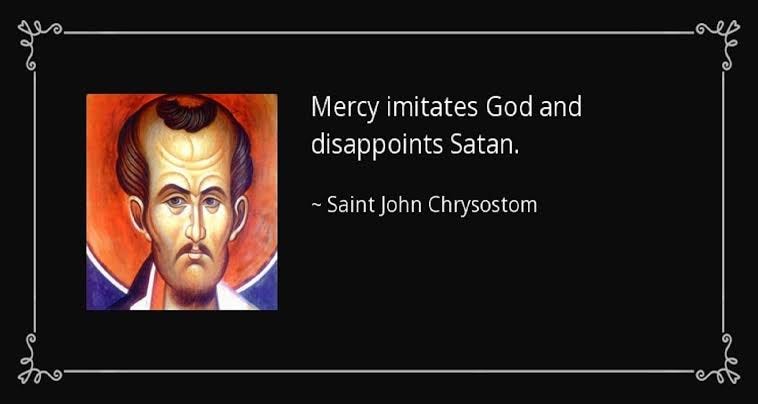
St John Chrysostom said, “Mercy imitates God and disappoints Satan.”
Those words give me pause to reflect.
Does my kindness imitate God, or only the appearance of goodness?
Christ once spoke of washing only the outside of the cup— spotless on the outside, yet empty within. How easily we fall into that same pattern: outward gentleness masking inward hardness, polite words covering quiet judgement.
That kind of kindness — performative kindness — asks for applause, not conversion. It smiles while it judges. It speaks gently but condemns in thought. It may look righteous, yet it leaves the heart untouched. The Gospel warns us that such virtue, though visible, is hollow: “You are like whitewashed tombs, which outwardly appear beautiful, but within are full of dead men’s bones.”
True kindness cannot be performed. It grows quietly, often in hidden places — in the silent refusal to speak ill, the quiet prayer for those who have wronged us, the decision to bless rather than to retaliate.
St Isaac the Syrian described mercy as a heart that “burns for the whole of creation,” and St John Climacus reminded us, “You cannot possess genuine love if you do not pray for your enemies.” That is where kindness matures into something greater — mercy that begins to resemble the love of Christ Himself.
For the Christian calling is not merely to kindness, but to the love of enemies — the love that forgives without being asked, that prays for those who wound us, that seeks the good even of those who misunderstand us. This is the love that turns kindness from sentiment into salvation.
A Prayer for Our Enemies
Lord Jesus Christ, in Your great mercy You prayed for the forgiveness of those who crucified You, and You taught us to love our enemies and to pray for those who persecute us.
Lord, I pray that You forgive those who treat me unjustly and speak out against me, and that You bless them and guide them according to Your will.
Take away any bitterness I may have in my heart against them.
Lord, may Your forgiveness, goodness and love be revealed in all of us, to Your praise and glory. Amen.
So perhaps this World Kindness Day is not only a call to be kind, but a call to go further — to mercy, forgiveness, and the love of enemies that reflects the heart of Christ.
For kindness that costs nothing ends with us, but kindness that costs the heart becomes grace — the mercy that prays even for those who wound us.
Beyond kindness lies mercy — the love that prays for those who wound us.